
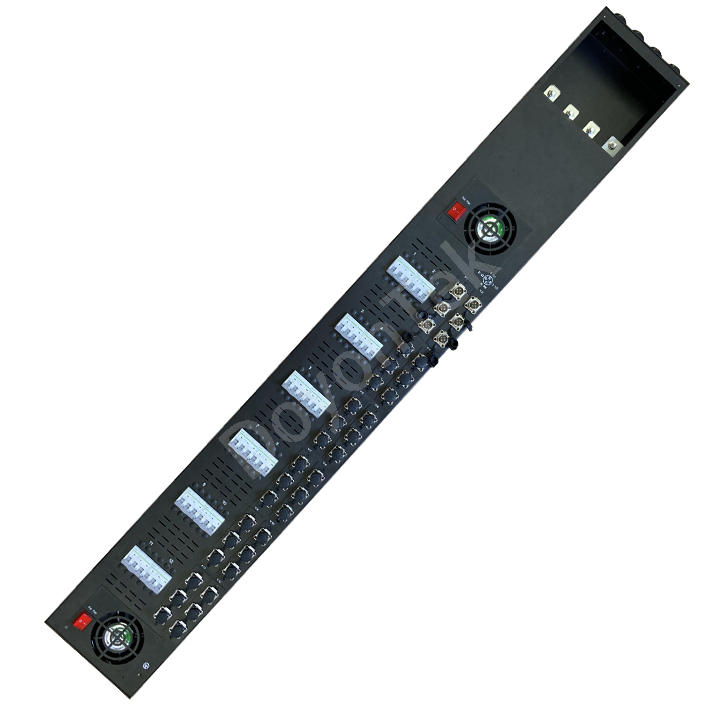
With the acceleration of digital transformation, the importance of power management in data centers, as the core of enterprise IT infrastructure, is becoming increasingly prominent. The traditional power distribution method in data centers is no longer sufficient to meet the demands of modern high-density and high availability. Intelligent PDU (Power Distribution Unit) has emerged as a key technology for power management in data centers.
Core viewpoint :Intelligent PDU not only provides basic power distribution functions, but more importantly, through remote monitoring, energy management, and intelligent control, it provides unprecedented power management capabilities for data center operators, significantly improving the energy efficiency and reliability of data centers.
The core functions of intelligent PDU
Compared to traditional PDUs, intelligent PDUs have achieved significant breakthroughs in the following aspects:
1. Remote monitoring and management
Through its built-in network interface, the intelligent PDU allows administrators to remotely monitor the power usage of each socket. This includes real-time voltage, current, power, and energy consumption data. Administrators can access this information from anywhere without physically visiting the data center site.
2. Energy consumption analysis and optimization
Intelligent PDU can collect detailed energy consumption data to assist data center managers:
Identify high energy consuming devices
Analyze load usage patterns
Optimize equipment layout and power distribution
Predicting changes in electricity demand
3. Environmental monitoring integration
Many high-end intelligent PDUs also integrate environmental sensors that can monitor key parameters such as temperature and humidity inside the cabinet. This provides important data support for environmental control in data centers.
Technical Points:Modern intelligent PDUs typically support multiple protocols such as SNMP, MODBUS, and REST APIs, and can seamlessly integrate with existing data center infrastructure management (DCIM) systems.
Application Practice of Intelligent PDU in Data Centers
Case 1: Large scale cloud service provider
A large cloud service provider has deployed over 5000 intelligent PDUs in its data center and achieved this through a centralized management platform:
| Improvement aspect | Before implementation | After implementation | Improvement range |
|---|---|---|---|
| Energy efficiency(PUE) | 1.8 | 1.4 | Reduce by 22% |
| Fault response time | Average 4 hours | Average 15 minutes | Shorten by 87% |
| Electricity capacity utilization rate | 65% | 85% | Increase by 31% |
| Operating cost | Benchmark 100% | 78% | Reduce by 22% |
Case 2: Financial Institution Data Center
A large bank has implemented an intelligent PDU solution in its core data center, which mainly solves the following problems:
Power capacity planning:Through real-time monitoring, accurately understand the power usage of each cabinet, avoiding problems of over configuration or insufficient capacity.
Fault warning:When abnormal current or voltage is detected, the system will automatically issue a warning, allowing operation and maintenance personnel to intervene in advance.
Compliance report:Automatically generate power usage reports to meet regulatory requirements for data center energy efficiency.
Key considerations for implementing intelligent PDU
When deploying intelligent PDUs in data centers, the following key factors need to be considered:
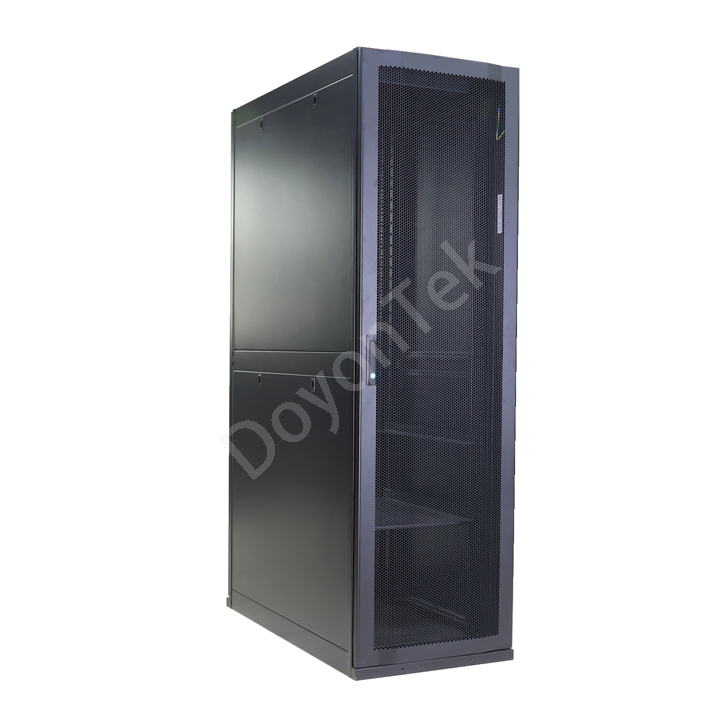
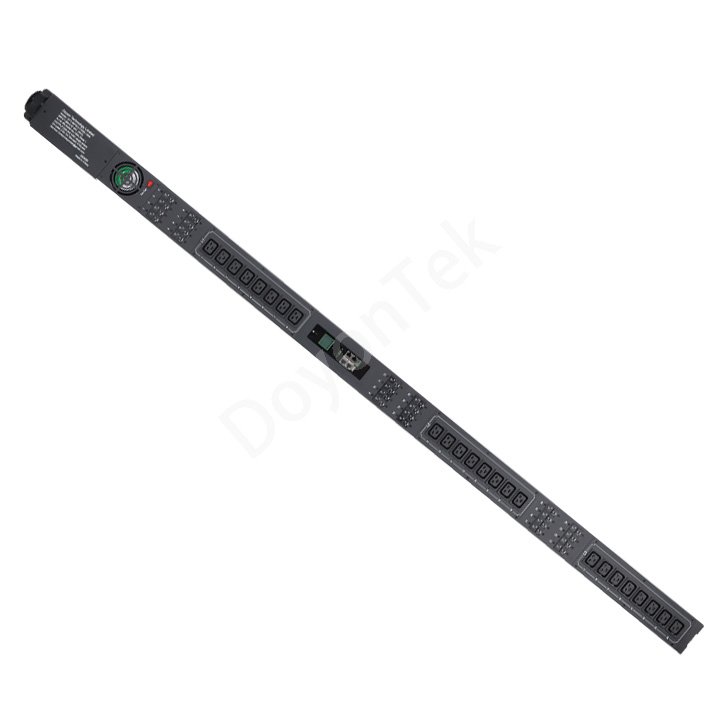
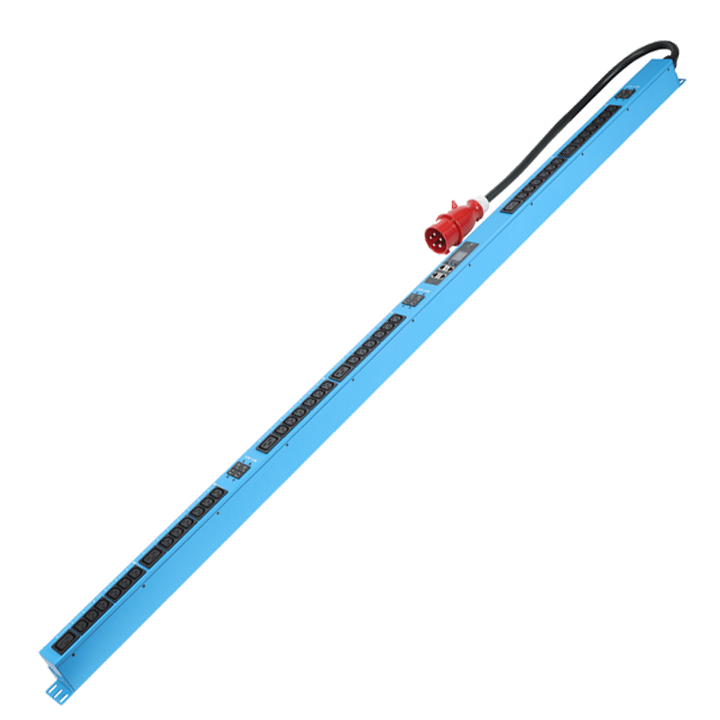
Installation of Intelligent PDU in Data Center Cabinets
1. Choose the appropriate type of intelligent PDU
Select the appropriate type of intelligent PDU according to the requirements:
Metering PDU:Provides socket level power metering, suitable for scenarios that require detailed energy consumption analysis
Switch type PDU:supports remote power switch control, suitable for scenarios that require remote restart
Environmental Monitoring PDU:Integrated with temperature and humidity sensors, suitable for environmentally sensitive applications
2. Network and security considerations
Intelligent PDUs are usually managed through networks, so it is necessary to consider:
Network isolation and security strategy
Access Control and Authentication
Data Encryption and Transmission Security
3. Integration with existing systems
Ensure that intelligent PDUs can be integrated with existing management systems such as DCIM and NMS to achieve unified management.
Future Development Trends
With the development of artificial intelligence and IoT technology, intelligent PDUs are moving towards the following directions:
Trend forecast:By 2026, over 70% of newly built data centers will deploy AI driven intelligent PDU systems to achieve predictive maintenance and automatic optimization.
AI driven energy optimization:using machine learning algorithms to automatically optimize equipment power distribution
Edge computing support:provide lightweight intelligent PDU solutions for edge data centers
Sustainability Integration:Integration with Renewable Energy Systems and Carbon Tracking Systems
Integration of 5G and IoT:Supporting 5G networks to achieve more efficient data transmission and control
Conclusion
Intelligent PDU has become a core component of modern data center power management. By providing detailed energy consumption data, remote monitoring capabilities, and intelligent control functions, intelligent PDUs not only improve the energy efficiency and reliability of data centers, but also provide important support for the sustainable development of data centers.
For enterprises planning to upgrade or build new data centers, investing in intelligent PDU systems is a strategic decision with high returns. With the continuous advancement of technology, intelligent PDUs will continue to evolve, providing data centers with more powerful and intelligent power management capabilities.
Comment